The Press Art Collection Saturday, 3 October 2026 / 11:00 am start
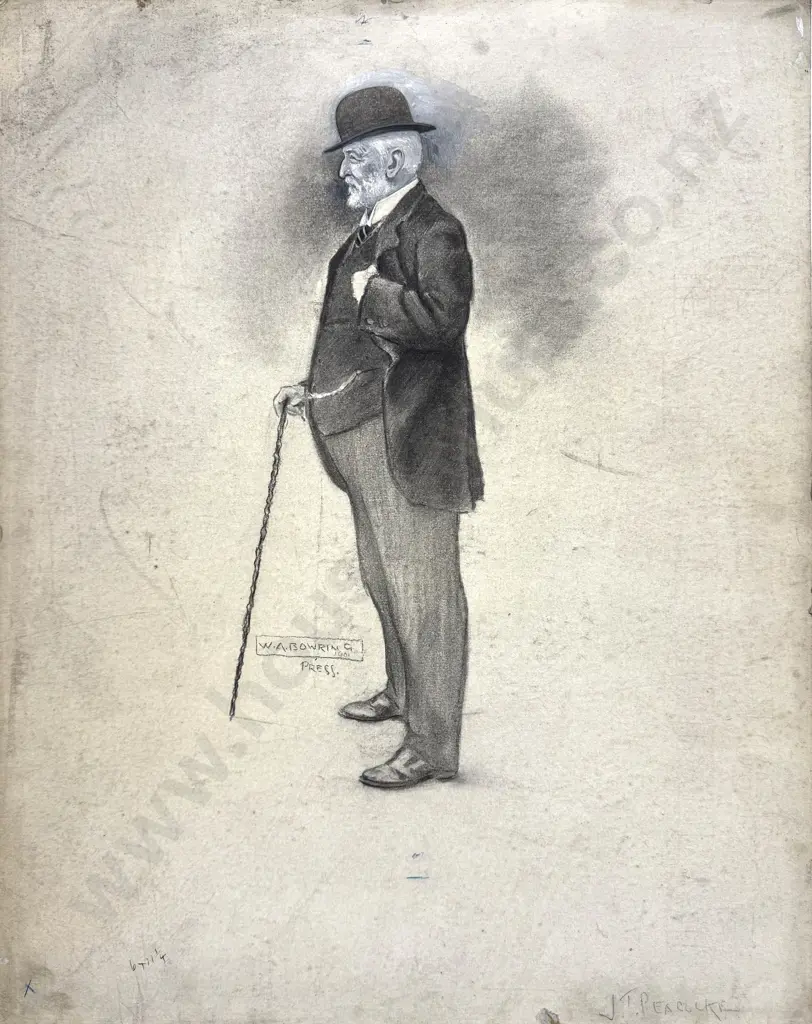
Walter Bowring - J T Peacocke, Graphite, Ink & Gouache on Board - 1901
Current Bid $10 (1 bid, reserve met)
Register as an approved buyer to leave a pre-auction bid on this lot
Register NowPre-bidding continues until this is the next lot to be offered live by our auctioneer
Buyer premium and GST is additional to your bid.
All bids are subject to our buyer terms and conditions
Lot Details
Walter Bowring (1874-1931) 'J T Peacocke' Graphite, Ink & Gouache on board Signed & Dated (1901) left on recto 523 x 414mm The Press' private archive of Walter Bowring Additional Information: Unframed and noted 'J T Peacocke' bottom left on recto. Marked with rough edges on card and foxing. Including graphite transfer. In aged condition. John Thomas Peacock was a Christchurch businessman and member of the Legislative Council who sat on a number of commercial and political boards and councils throughout his career. He arrived in Lyttelton in 1844 prior to the founding of Canterbury, and began trading as J.T Peacock and Co. from 1856. He was involved in senior roles in the Alliance Insurance Company, Union Insurance Company, Christchurch Meat Company, Permanent Investment and Loan Association of Canterbury, Christchurch Tramway Company, New Zealand Shipping Company and the Lyttelton Harbour Board. He was the Secretary of Public Works for the Provincial Council of Canterbury before the abolition of the provinces, and was elected M.P for Lyttelton in the House of Representatives in 1869. He joined the Legislative Council in 1874 and was the first Mayor of the Borough of St Albans. He died on October 20, 1905, aged seventy-eight. As both an artistic creation and a historical document, the work serves as an important resource for the study of regional history. Images can be directly connected to contemporary reporting in The Press, enhancing their significance when viewed in conjunction with written primary sources. Above all, each piece stands as an engaging and accessible record of its time, inviting collectors and the wider public alike to explore and appreciate Canterbury’s heritage, while reflecting the vital role of the Press in documenting Christchurch during a period of transition and renewal.
Other items you may like from this sale
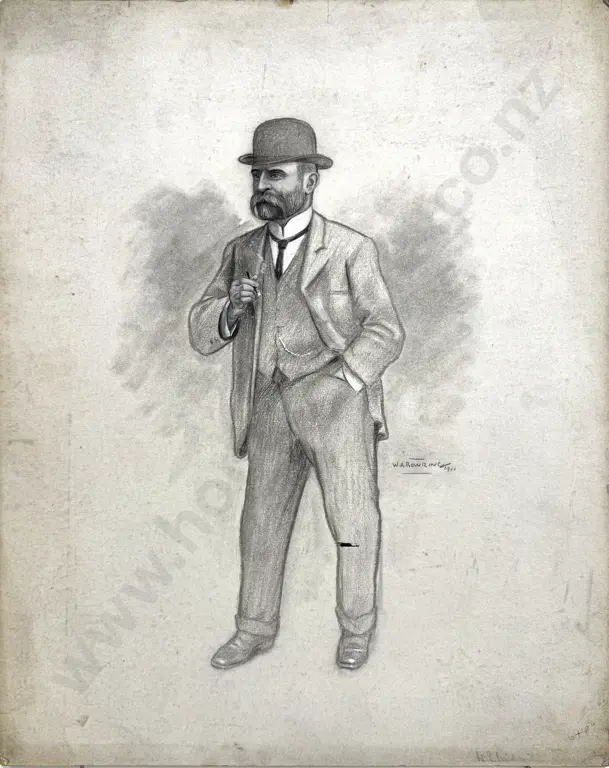
Walter Bowring -W.E.B, Ink, Gouache & Graphite on Board (1901)
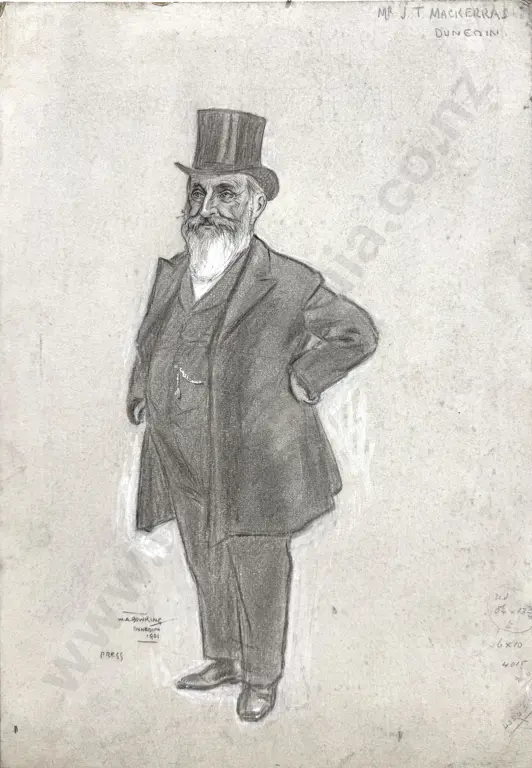
Walter Bowring - Mr J T MacKerras, Graphite, Ink & Gouache on Board - 1901
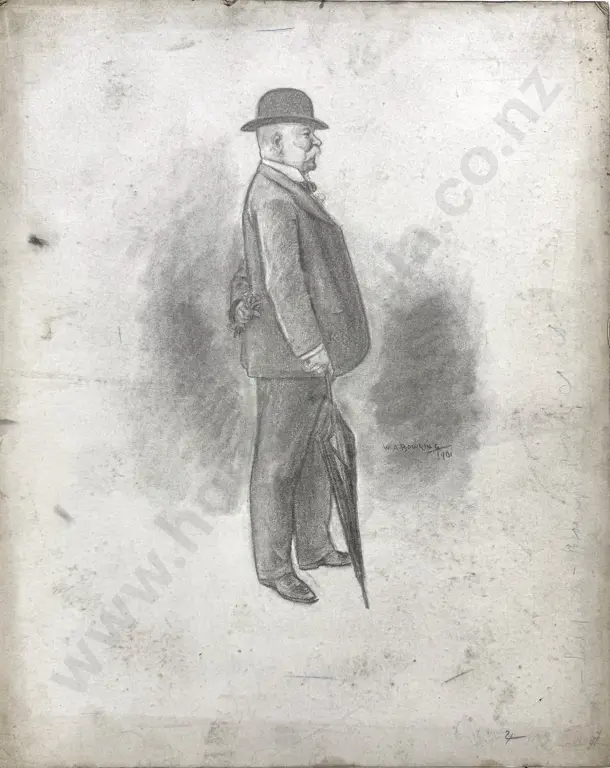
Walter Bowring - Un-named, Graphite & Gouache on Board - 1901
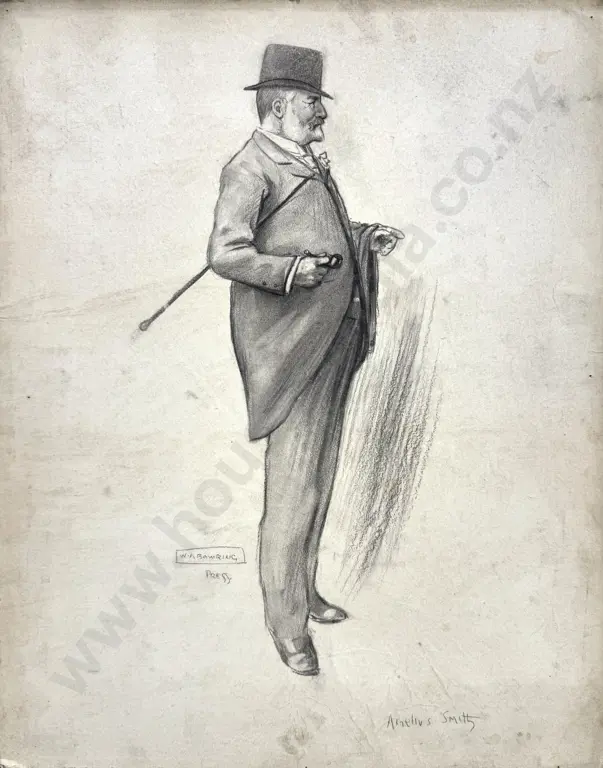
Walter Bowring - Amelius Smith, Ink & Graphite on Board
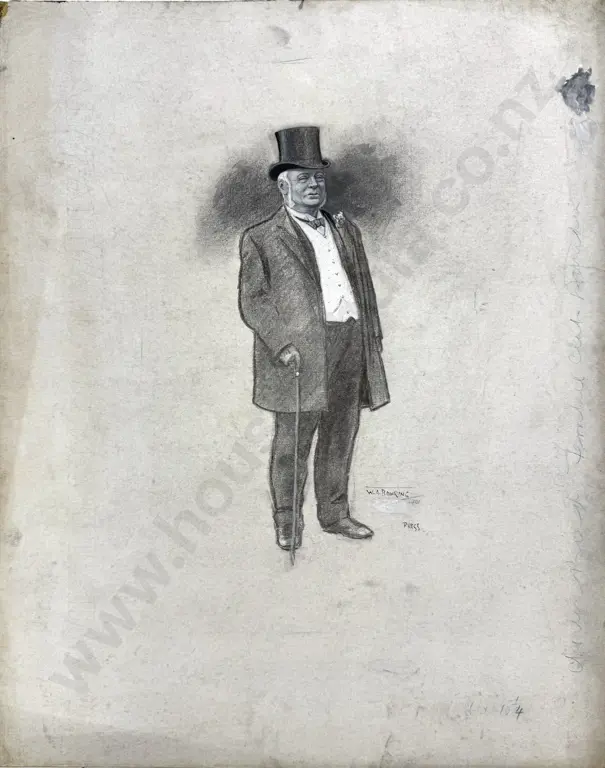
Walter Bowring - Un-named, Graphite, Ink & Gouache on Board
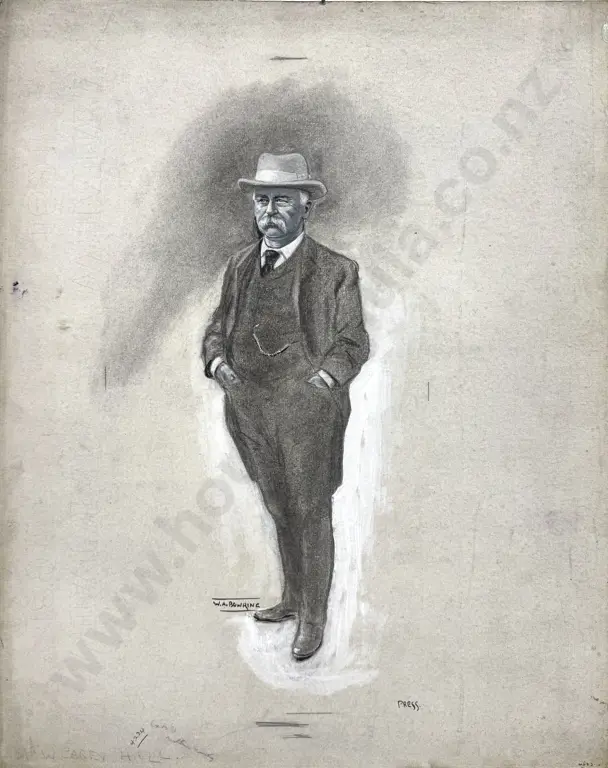
Walter Bowring - W Carey Hill, Graphite, Ink & Gouache on Board
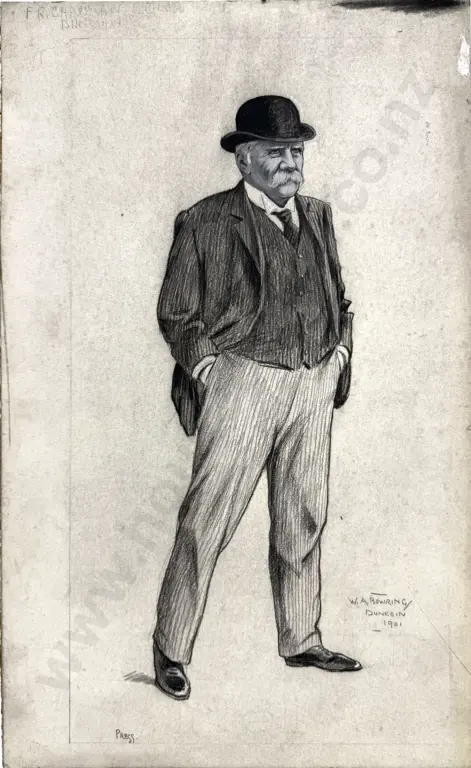
Walter Bowring -F. R Chapman, Dunedin, Ink, Gouache & Graphite on Board (1901)
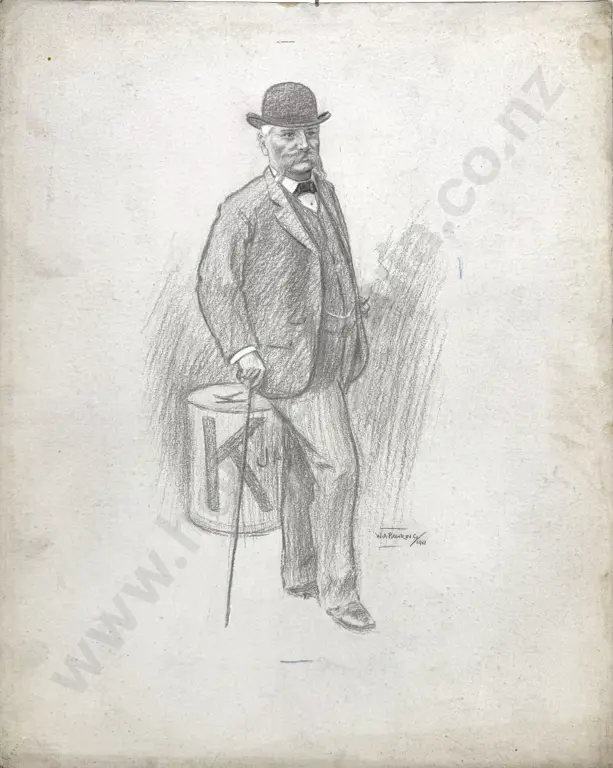
Walter Bowring - W. S. Kirkpatrick, Graphite, Ink & Gouache on Board - 1901
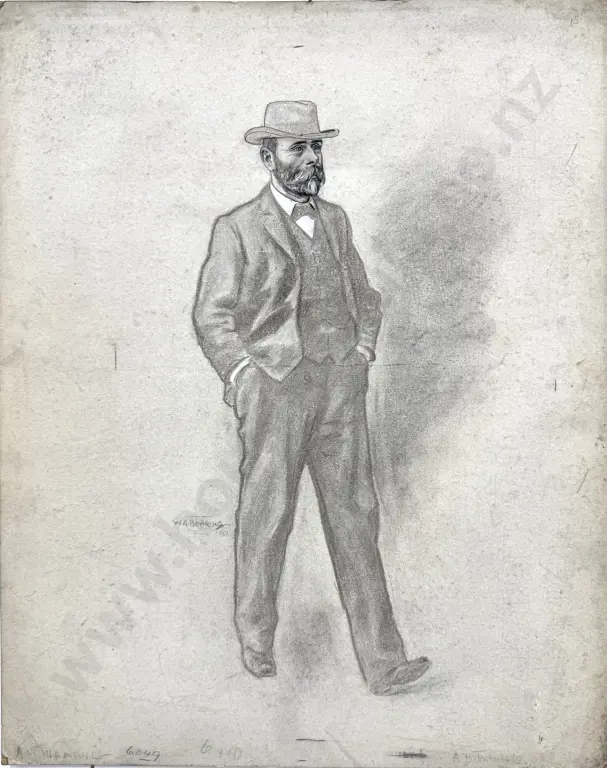
Walter Bowring - A H Turnbull, Graphite, Ink & Gouache on Board (1901)
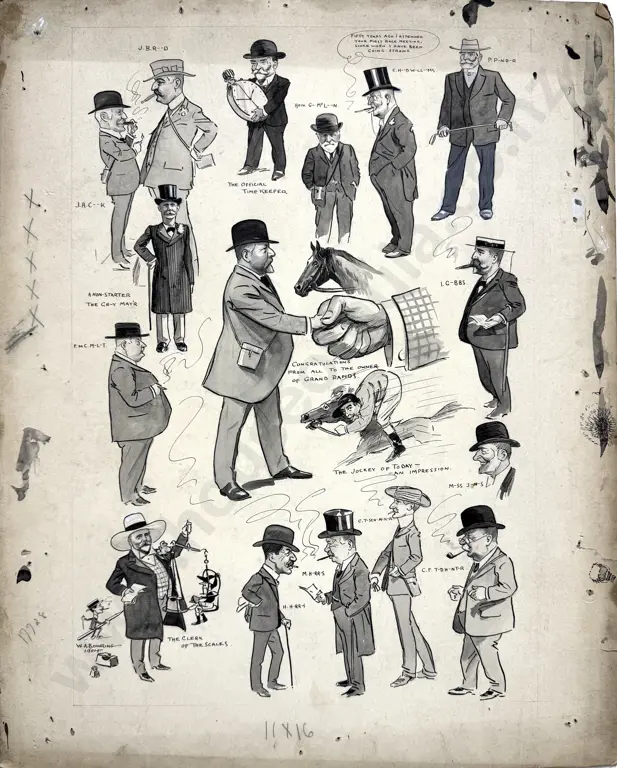
Walter Bowring - At the Races, Ink & Graphite on Board (1904)
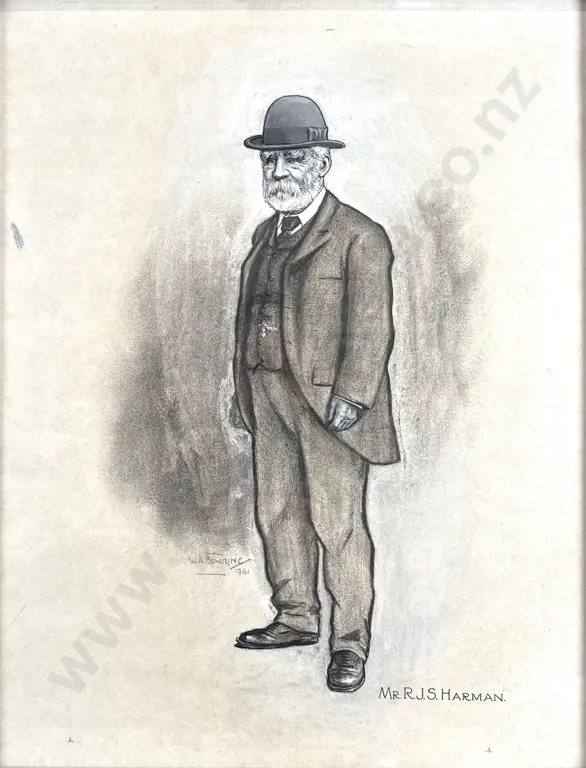
Walter Bowring - R.J.S Harman, Ink, Graphite & Gouache on Board (1901)
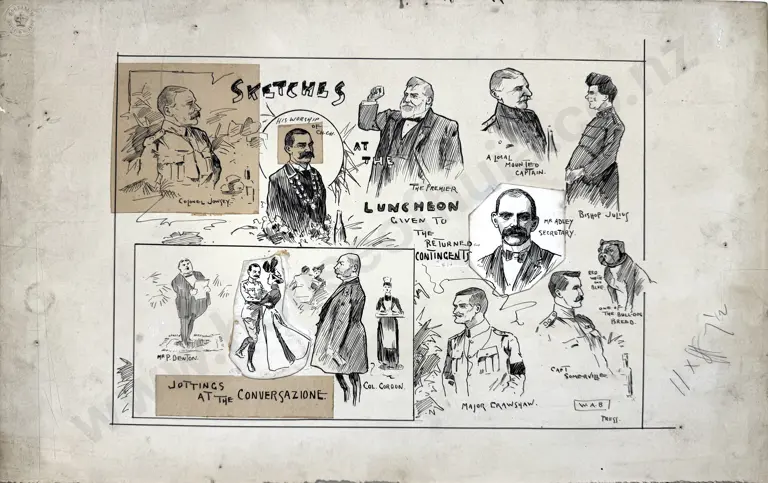
Walter Bowring - 'Jottings At The Conversazione', Ink & Mixed Media on Board (1901)
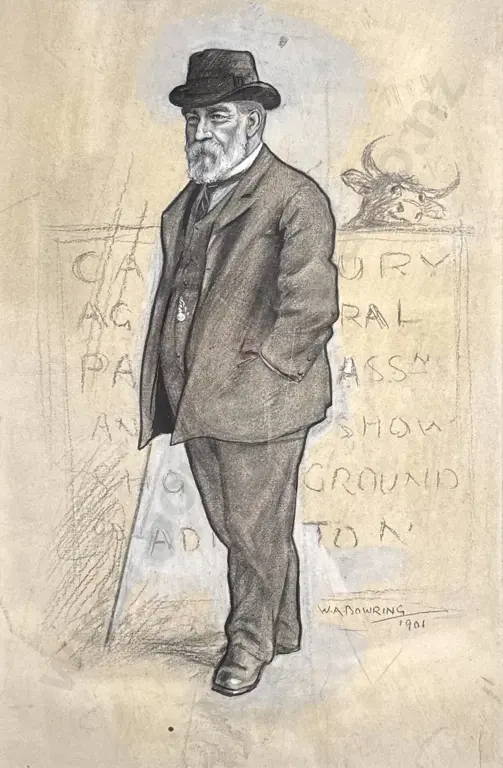
Walter Bowring - 'M. Murphy', Graphite & Gouache on Board (1901)
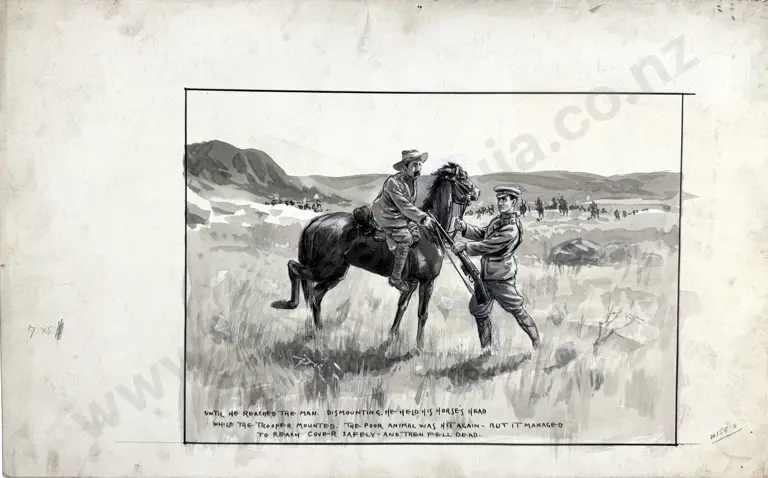
Walter Bowring - Captain Bauchop pt.3, Ink & Graphite on Board
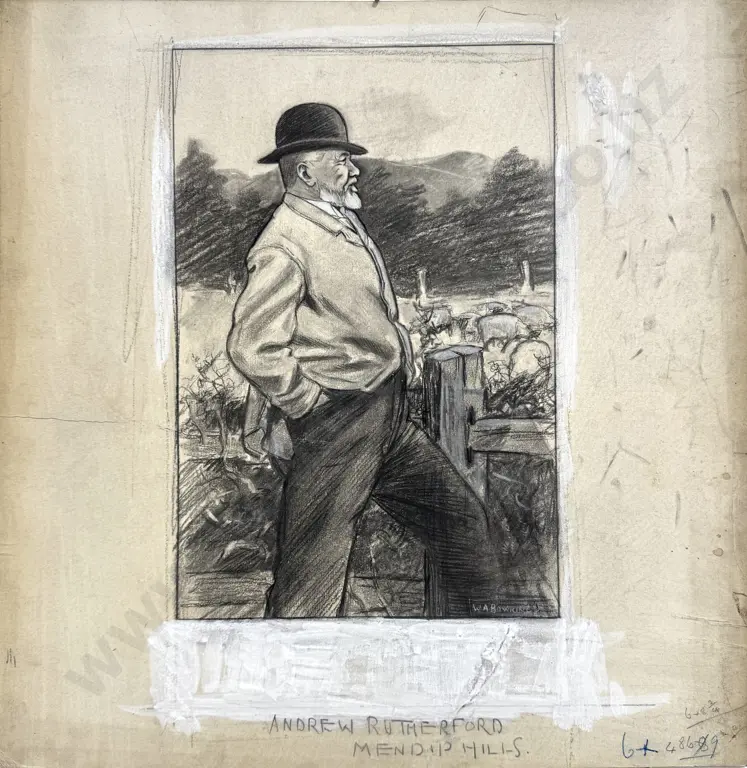
Walter Bowring - Andrew Rutherford, Mendip Hills, Ink, Graphite & Gouache on Board
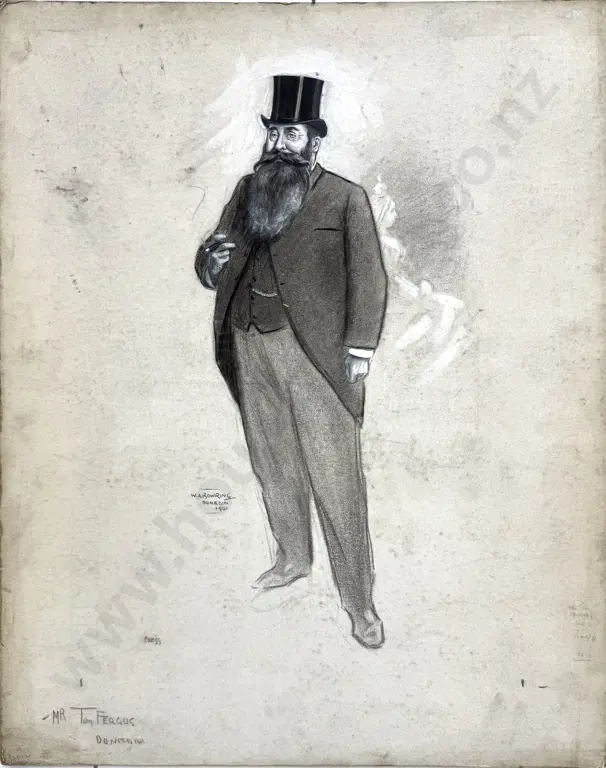
Walter Bowring - Mr Tom Fergus, Dunedin, Ink, Graphite & Gouache on Board (1901)
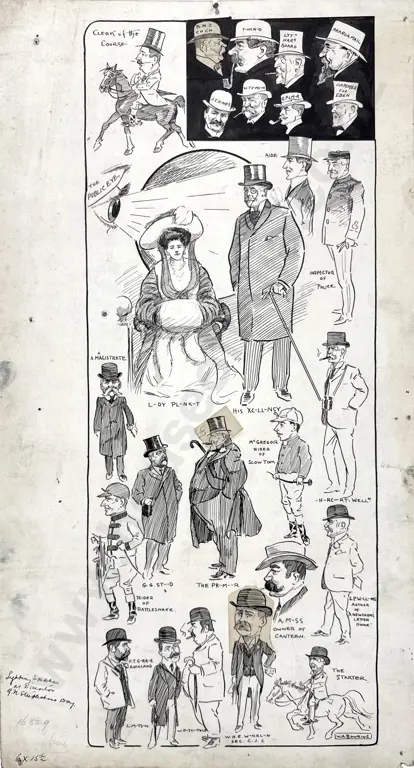
Walter Bowring - Lightning Sketches At Riccarton Park Raceway P2, Ink on Board (1901)
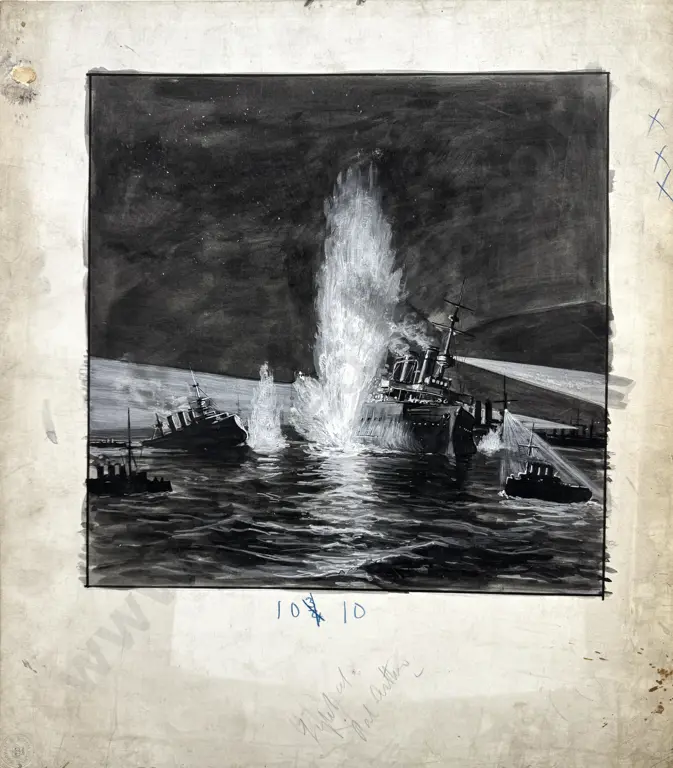
Walter Bowring - Fight At Port Arthur, Ink & Gouache on Board
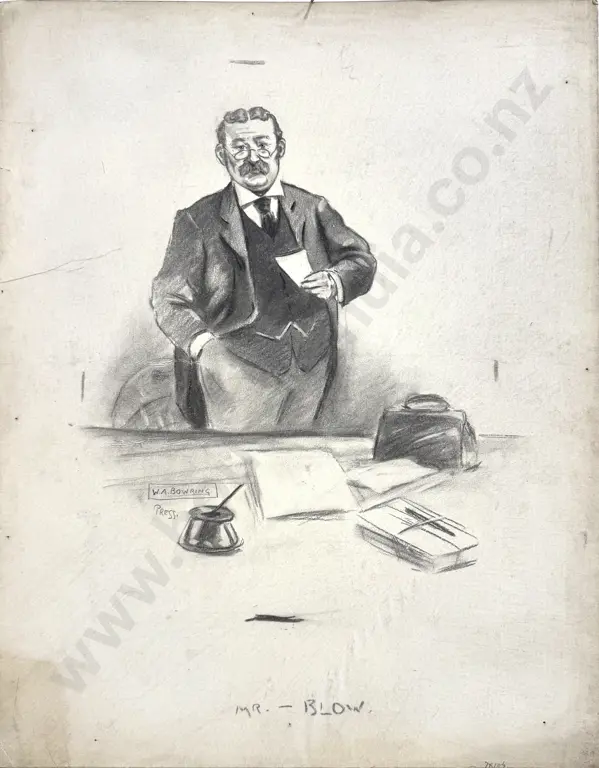
Walter Bowring - 'Mr, - Blow', Graphite on Board
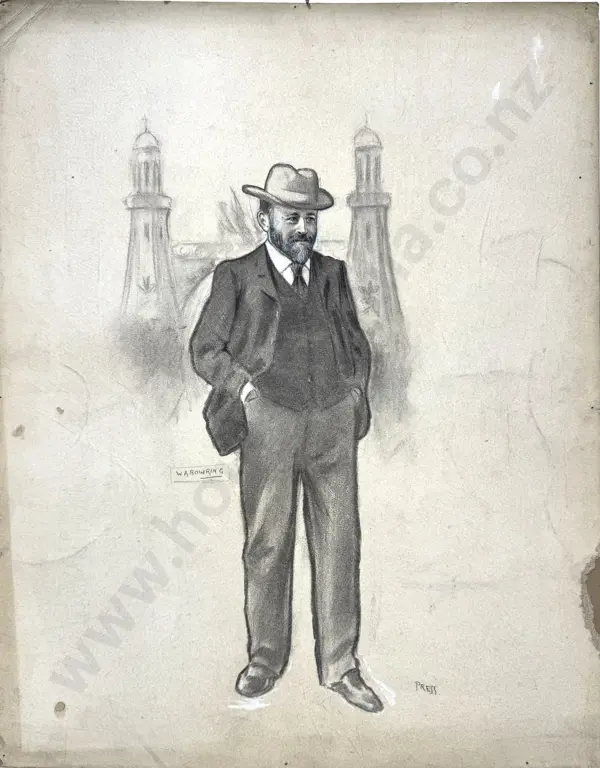
Walter Bowring - Mr A. Kidd, M.H.R,, Graphite, Ink & Gouache on Board
